However, for traditional commuter rail services connecting San Francisco to the Peninsula and Silicon Valley, the Caltrain 4th & King Street Station has historically served as the primary gateway.
Understanding the functions and future of both these key locations is essential for anyone navigating San Francisco’s public transit system, whether a resident or a visitor.
The Salesforce Transit Center, officially known as the Transbay Transit Center until 2018, is a monumental structure located in the heart of downtown San Francisco. It replaced the old Transbay Terminal, significantly expanding capacity and modernizing facilities.
Its primary function currently is to serve as the main terminal for numerous regional and intercity bus lines. Operators like AC Transit, Golden Gate Transit, Muni, and Greyhound all utilize its state-of-the-art bus deck.
Beyond its current role, the Transit Center was designed with a grander vision: to become the San Francisco terminus for the California High-Speed Rail project. This long-term plan envisions direct rail service connecting the city to Los Angeles and other major Californian destinations.
The architecture of the Salesforce Transit Center is itself a marvel. Designed by Pelli Clarke Pelli Architects, it features a striking wave-like exterior and an expansive rooftop park, known as ‘Salesforce Park,’ which offers panoramic city views and a serene green space.
This park is a significant public amenity, providing a vibrant urban oasis complete with walking paths, gardens, and an amphitheater, making the Transit Center more than just a transportation hub.
Inside, the center boasts modern amenities, including retail spaces, food vendors, and comfortable waiting areas, all designed to enhance the passenger experience. Its sheer scale and contemporary design firmly establish it as a forward-looking transportation nexus.
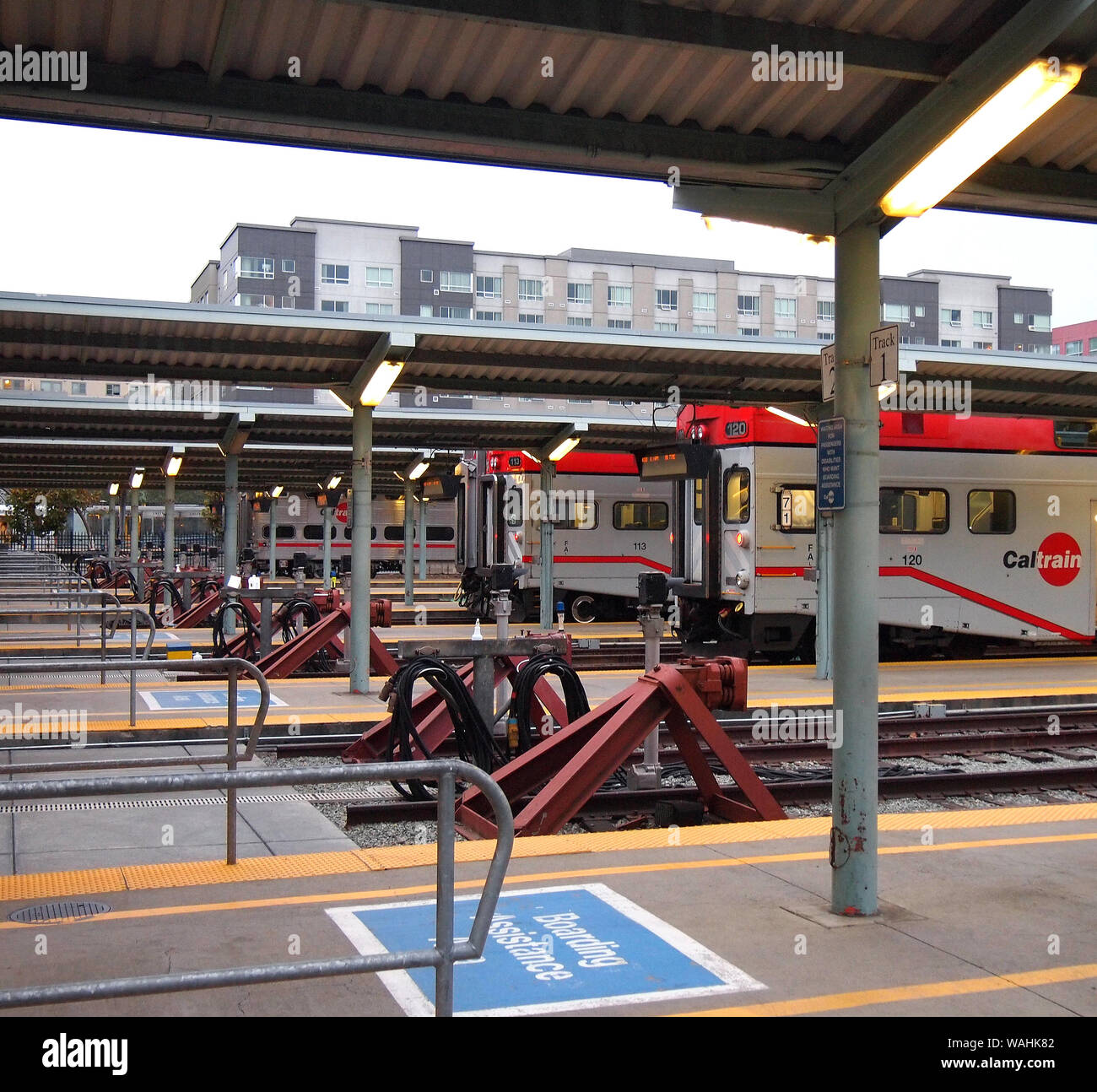
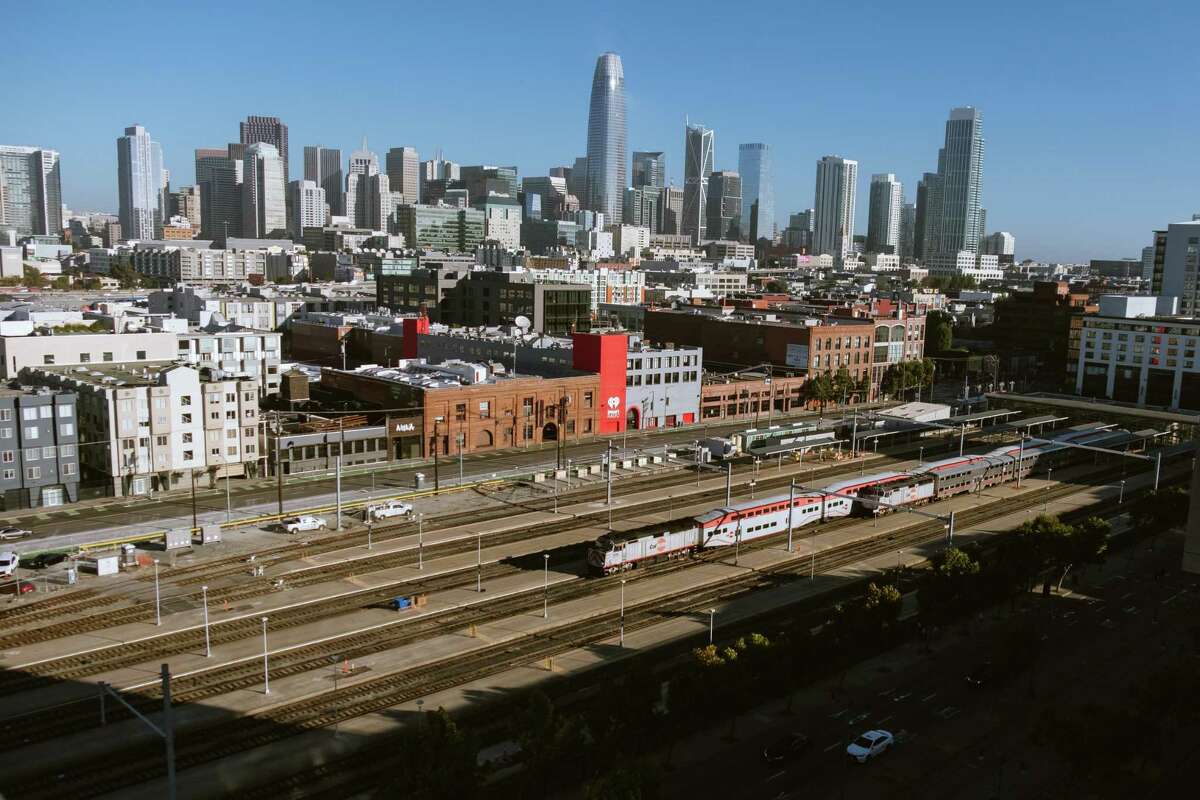
In contrast, the Caltrain 4th & King Street Station represents San Francisco’s more traditional rail presence. Located in the Mission Bay neighborhood, it has been the northernmost station for Caltrain commuter rail since its inception.
Caltrain provides vital service to thousands of commuters daily, linking San Francisco with cities down the Peninsula, including San Jose. For many, this station is synonymous with ‘taking the train’ from San Francisco.
The station itself is a bustling hub, especially during peak commute hours. It offers direct connections to Muni Metro light rail lines, allowing seamless transfers for passengers heading further into downtown or other city neighborhoods.
Its historical significance is undeniable, having served as the terminus for various railway lines over the decades. While less grand in scale than the Salesforce Transit Center, its functional importance for daily commuters remains paramount.
A major project, the Downtown Rail Extension (DTX), is set to transform the role of 4th & King. This ambitious undertaking aims to extend Caltrain tracks underground from 4th & King directly into the Salesforce Transit Center.
Once completed, the DTX will allow Caltrain to terminate directly at the Salesforce Transit Center, integrating commuter rail with intercity buses and future high-speed rail in one central location. This will significantly enhance connectivity and passenger convenience.
Even with the DTX, the 4th & King Street Station is expected to remain operational, likely serving as a key intermediate stop or potentially a secondary hub, ensuring continued access for the Mission Bay area and surrounding neighborhoods.
Beyond these two primary stations, San Francisco’s broader rail ecosystem includes other critical components that facilitate regional travel.
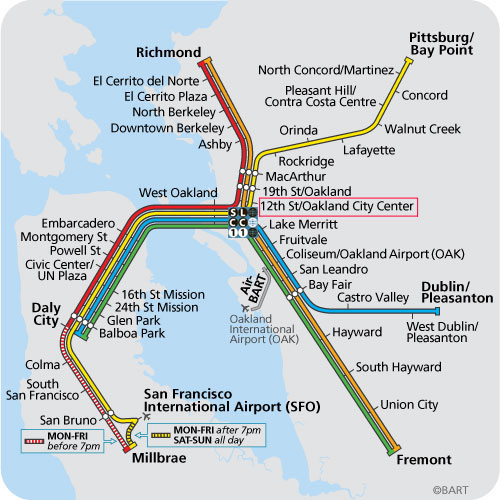
The BART (Bay Area Rapid Transit) system is crucial for heavy rail transit, connecting San Francisco to the East Bay, parts of the Peninsula, and San Francisco International Airport (SFO). Major BART stations like Embarcadero and Montgomery Street are vital downtown transit points.
Muni Metro, San Francisco’s light rail system, operates extensively within the city, providing local connections to various neighborhoods and complementing the services offered by Caltrain and BART. Its underground stations often share platforms with BART in the downtown core.
While Amtrak does not have a direct train station in San Francisco, passengers can access Amtrak services via the Oakland Jack London Square station, with a dedicated Thruway Bus service providing connections from the Salesforce Transit Center directly to the Oakland station.
The future of rail travel in San Francisco is centered on creating a truly multimodal and integrated transportation experience. The vision is to have all major transit modes converging efficiently, reducing congestion and promoting sustainable travel.
The completion of the California High-Speed Rail and the Downtown Rail Extension will solidify the Salesforce Transit Center’s position as the ultimate primary rail hub for the city, connecting local, regional, and intercity train services.
This integration will not only streamline travel for millions but also serve as a model for urban transportation planning, emphasizing efficiency, sustainability, and passenger comfort.
Navigating San Francisco’s public transit is made easier with tools like the Clipper Card, a reloadable card usable across almost all Bay Area transit agencies, including Caltrain, BART, and Muni.
Mobile apps also provide real-time tracking and journey planning, making it simple to get from one point to another, even when transferring between different modes of transport.
Accessibility is a key consideration for all major transit hubs in San Francisco, with facilities designed to accommodate passengers with varying mobility needs.
In summary, while the 4th & King Street Station has long been the traditional hub for commuter rail, the modern, expansive Salesforce Transit Center is rapidly emerging as the definitive main train station in San Francisco, poised to handle the city’s future intercity and high-speed rail demands.
San Francisco’s commitment to robust public transit infrastructure continues to evolve, promising a more connected and efficient future for residents and visitors alike.
Last Updated: March 2026



:max_bytes(150000):strip_icc()/BART-13529e235f754cabbd457deba4a5a71c.jpg "What is the Main Train Station in San Francisco?")

Leave a Reply