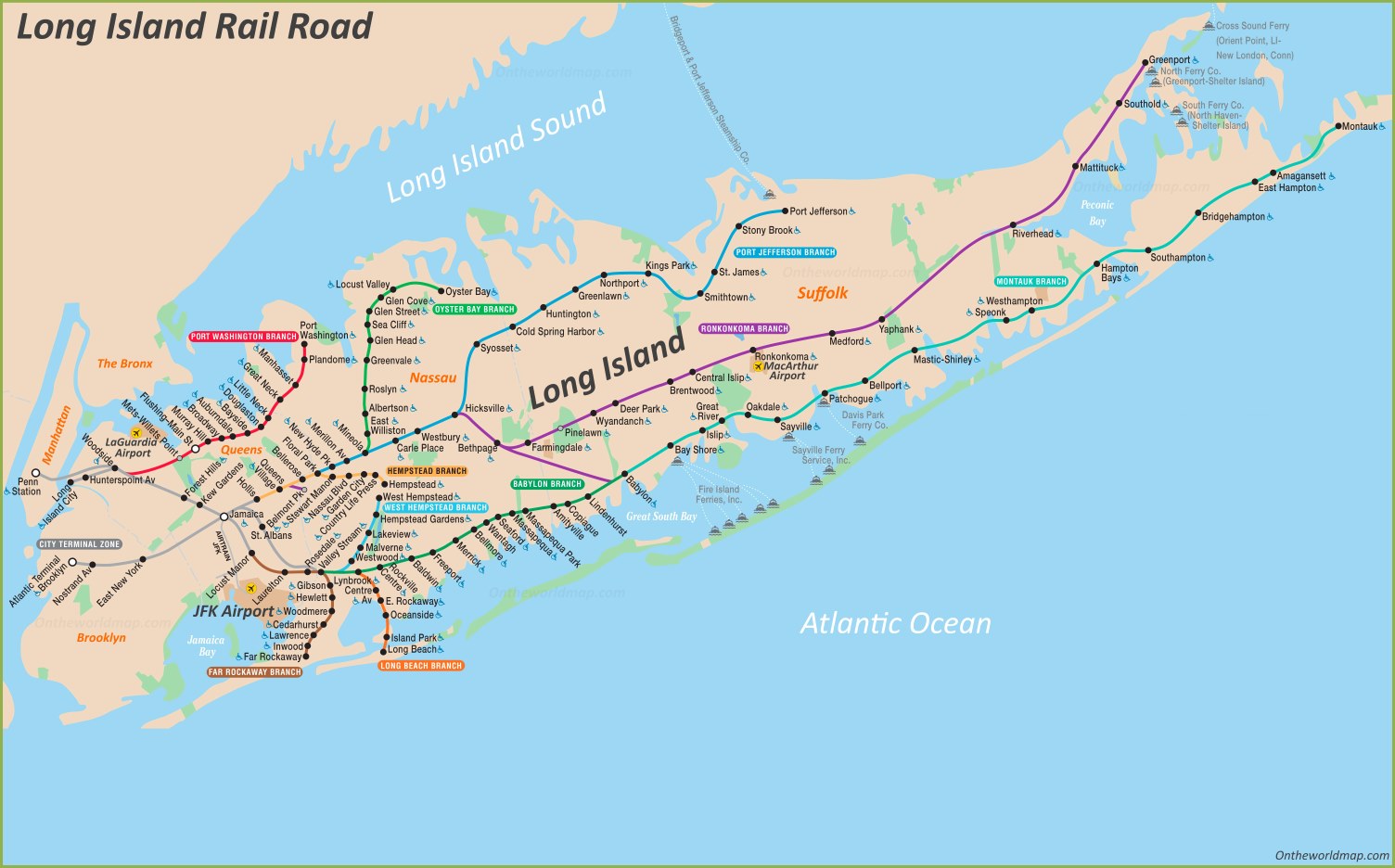
This detailed cartographic resource features clearly delineated subway lines and accurately placed station markers, making it an essential tool for navigating this vibrant Queens neighborhood. The clean design ensures you can quickly identify your route without unnecessary clutter.
Our transit guide is designed for maximum clarity, whether you view it on a digital screen or print it out for your journey. It serves as a reliable reference for residents, commuters, and tourists alike.
Quick Transit Facts: Long Island City (LIC)
This table provides a snapshot of the key transit options available in the area, helping you understand the network at a glance.
- Major Subway Lines: 7, G, E, M
- Key Hub Station: Court Square-23rd Street (offers transfers between 7, G, E, M)
- Long Island Rail Road (LIRR) Access: Long Island City Station & Hunterspoint Avenue Station
- Major Ferry Terminal: Long Island City & Hunters Point South Ferry Terminals
- Primary Bus Connections: Multiple MTA bus routes, including the Q32, Q60, Q100, and more.
Understanding The Main Subway Routes to LIC
Several MTA subway lines provide direct access to Long Island City, making it one of the most accessible neighborhoods in the outer boroughs.
The 7 Train is a primary artery, running elevated through the heart of LIC. It connects directly to Times Square, Grand Central Terminal in Manhattan, and Flushing, Queens. Key stops include Vernon Blvd-Jackson Av, Hunters Point Av, and Court Square.
The G Train is a crucial crosstown connector, linking Long Island City with Brooklyn neighborhoods like Williamsburg, Bed-Stuy, and Park Slope without requiring a detour through Manhattan. Its main stations in the area are Court Square and 21st St.
The E and M Trains run along Queens Boulevard, stopping at the Court Square-23rd Street station complex. These lines provide a direct link to Midtown and Lower Manhattan, as well as other parts of Queens like Jamaica.
Long Island Rail Road (LIRR) Connections
Beyond the subway, Long Island City is also served by the LIRR, which is ideal for commuters traveling from Long Island. The Long Island City station is the terminus for several branches, though it sees limited rush-hour service. The nearby Hunterspoint Avenue station offers more robust service, providing a vital link for those traveling further east.
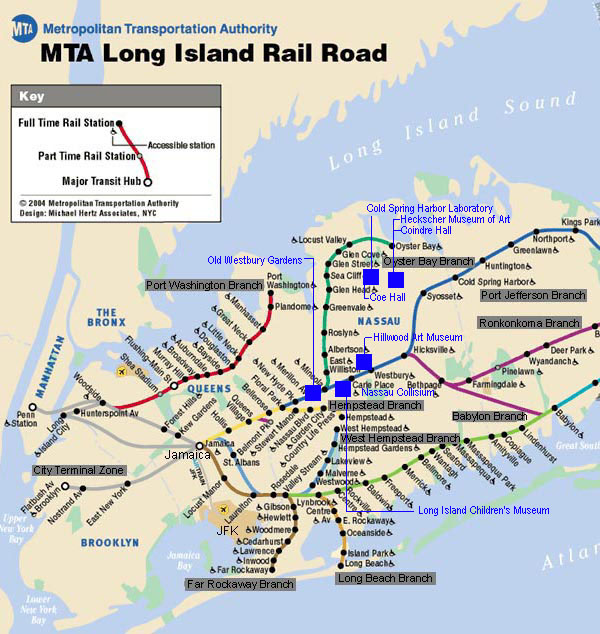
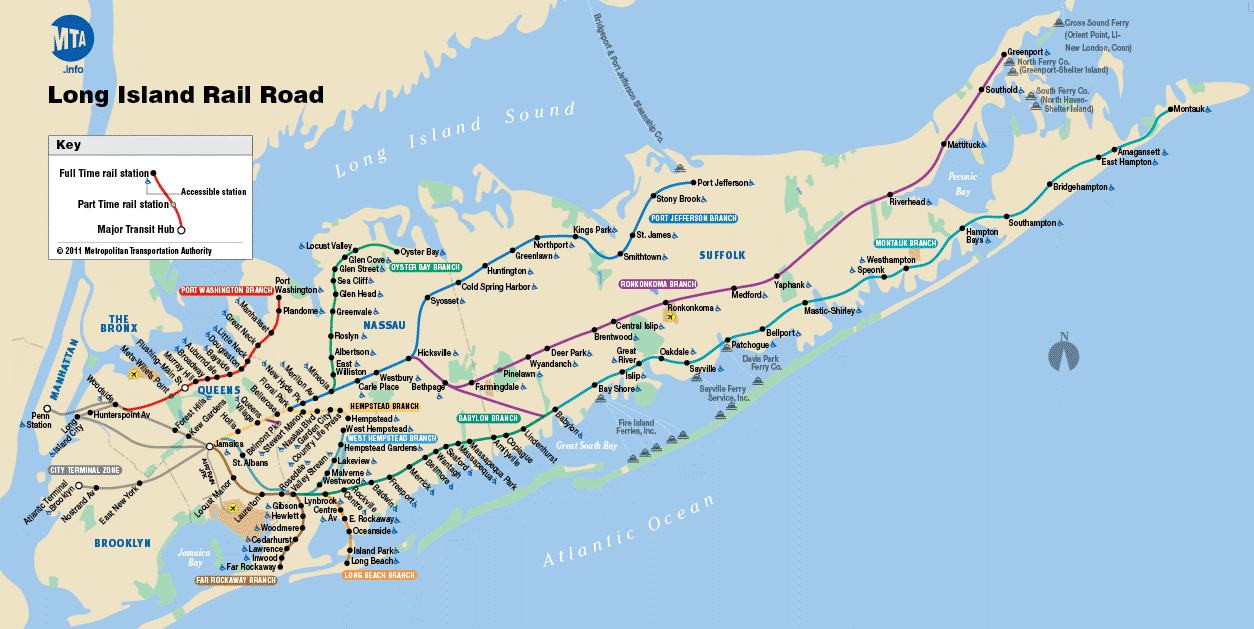
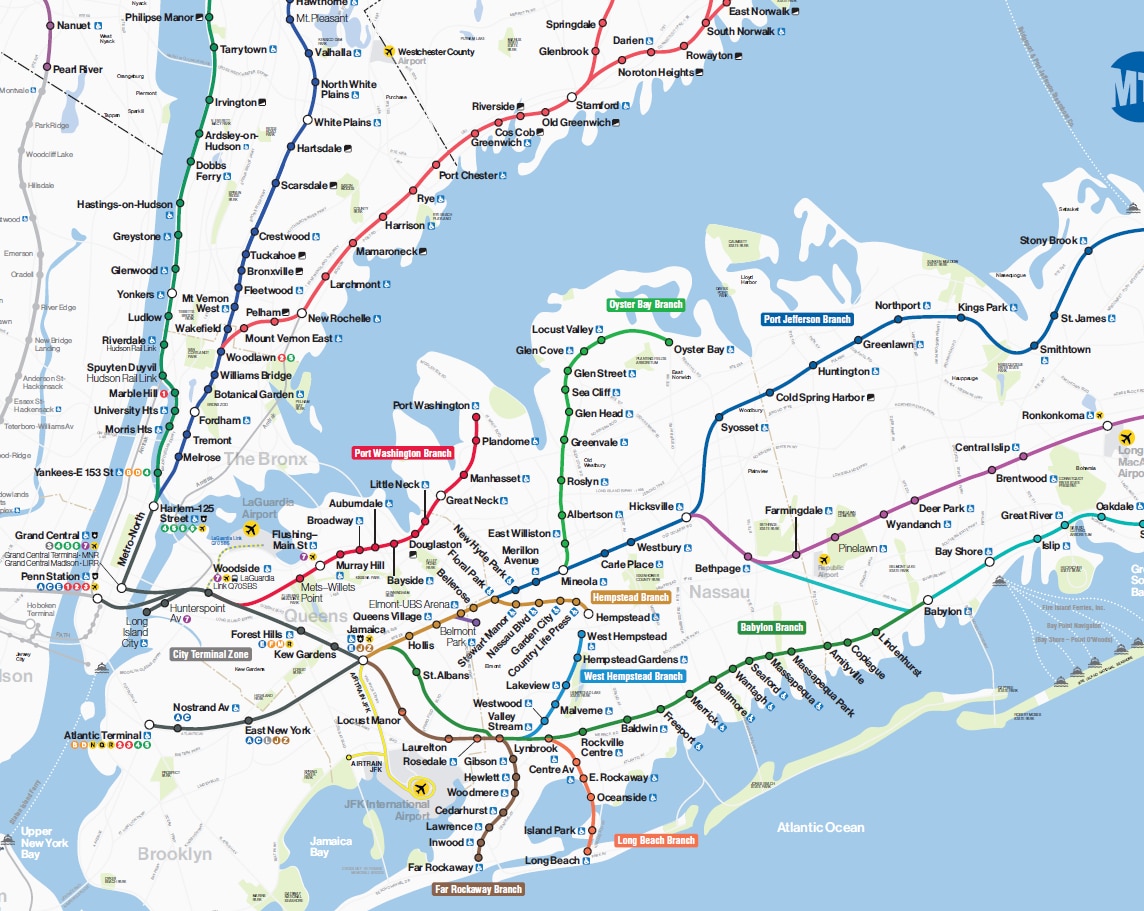
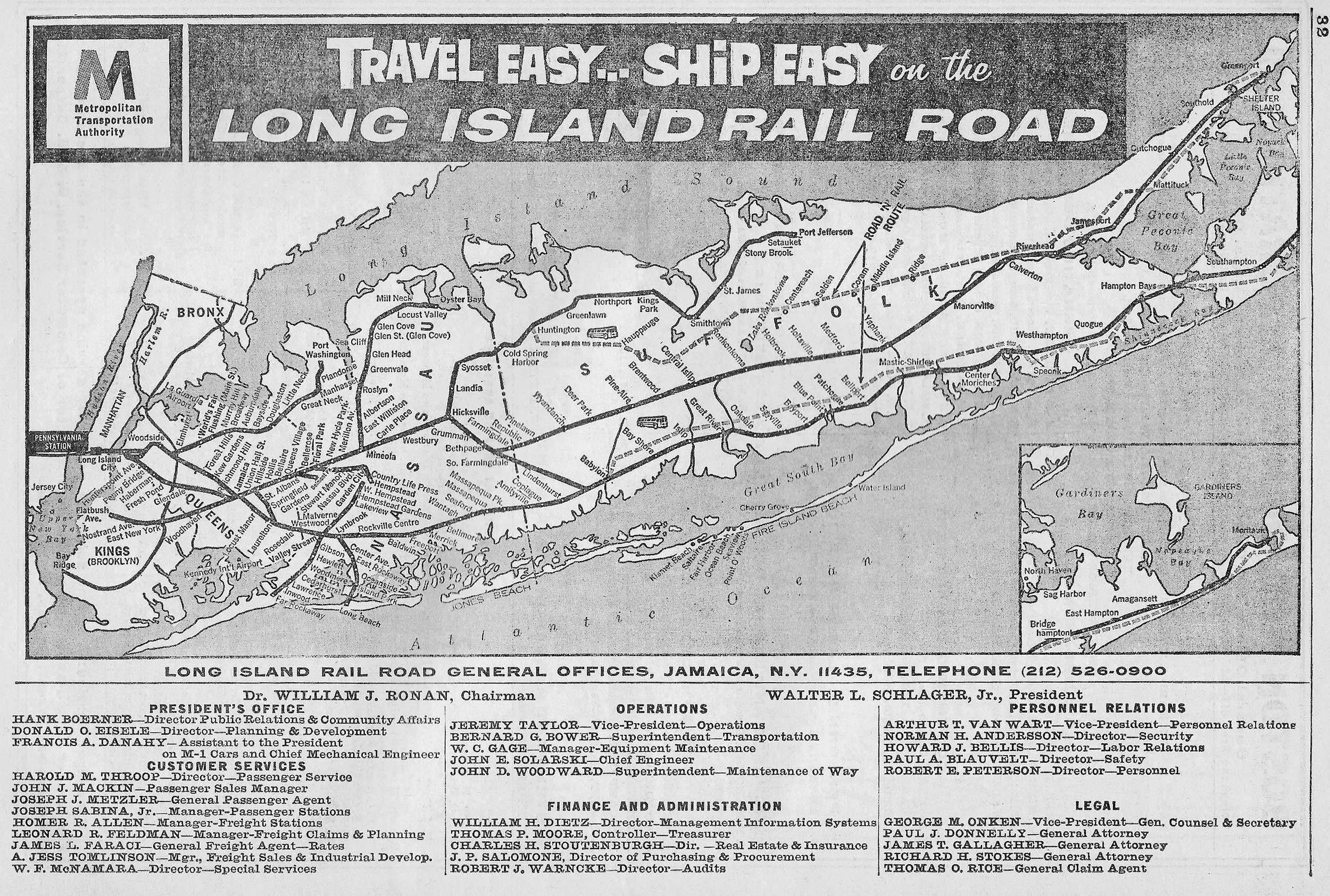
This transportation map clearly indicates the location of these LIRR stations relative to the subway network, allowing for seamless trip planning.
Format & Printing Guide for Your Map
To ensure you get the most out of this resource, we offer it in multiple formats. The primary download is a high-resolution PDF file, which offers perfect vector quality. This means you can zoom in infinitely without any loss of detail, which is perfect for viewing on a smartphone or tablet.
For printing, the PDF is optimized for standard A4 paper or US Letter (8.5×11 inches). It can be printed in either full color to easily distinguish the train lines or in a grayscale version to save ink.
The map is designed in a standard landscape orientation for the best fit on screen and paper. You can also print this transit guide in a larger poster size at a professional print shop without sacrificing clarity, thanks to its high-resolution source.
A high-quality PNG version is also available for quick viewing or for embedding in digital documents and presentations.
Why Use This Specific Transit Map?
This route layout is excellent for commuters and tourists because it focuses solely on LIC and its immediate connections. Unlike the full, complex MTA map, this version isolates the information you need, making it faster to read and understand.
The design uses a clear, color-coded system that matches the official MTA branding, ensuring immediate recognition of the 7, G, E, and M lines. This familiarity helps reduce confusion when navigating the system.
Furthermore, this printable version includes key landmarks and ferry terminals. This integrated approach provides a more holistic view of your transportation options, helping you plan the most efficient route from door to door.
This cartographic resource is updated for 2026, reflecting any recent service changes or station name updates, ensuring you have the most accurate information available.
Navigating Key Stations in Long Island City
Court Square-23rd Street: This is the most important transit hub in the neighborhood. It’s a massive complex that connects the 7, G, E, and M trains. Its strategic location makes it a pivotal point for transferring between lines.
Vernon Boulevard-Jackson Avenue: Located in the heart of LIC’s waterfront district, this 7 train stop is your gateway to Gantry Plaza State Park, popular restaurants, and residential towers with stunning Manhattan skyline views.
Hunters Point Avenue: This station serves both the 7 train and the LIRR, making it a key transfer point for those commuting between Long Island, Queens, and Manhattan.
21st Street-Van Alst: This is the northernmost stop for the G train in Queens, situated near the Queensbridge Park and the iconic Queensboro Bridge.
Using the Map for Trip Planning
Start by locating your destination within Long Island City on the map. Identify the nearest station and the colored line(s) that service it. Trace the line back to find the most convenient transfer point from your starting location. For example, if you are coming from Brooklyn on the G train and need to get to Midtown East, this layout clearly shows you can transfer to the 7 train at Court Square for a quick ride to Grand Central.
Frequently Asked Questions (FAQ)
Is this Long Island City train map free to download?
Yes, this transit guide is completely free for personal and educational use. You can download and print as many copies as you need for your convenience.
Can I use this map for a school project or presentation?
Absolutely. The clear lines and legible station names make it an ideal resource for classroom assignments, reports, or presentations about New York City’s infrastructure and transportation.
Does the map show connections to NYC Ferry?
Yes, the map clearly marks the locations of the Long Island City and Hunters Point South ferry terminals, allowing you to incorporate ferry travel into your journey planning.
In conclusion, this detailed map provides a clear and direct answer to the question of what train goes to Long Island City. By offering a clean, printable, and up-to-date resource, we aim to make your navigation of this dynamic neighborhood as simple as possible.
Last Updated: March 2026



Leave a Reply