
For decades, the idea of a metro for Dublin has been a recurring topic in public discourse and government planning. However, various hurdles have consistently prevented its realization, leading to a reliance on alternative transport solutions.
The historical context reveals a city that grew organically, often without a cohesive, long-term public transport strategy that accounted for rapid population growth. Early plans for underground rail date back to the 1970s, but faced significant opposition and financial constraints.
One of the primary geographical and urban planning factors is Dublin’s relatively compact city center, characterized by its Georgian architecture and a dense network of existing utilities. Constructing a deep underground metro in such an environment presents immense engineering and logistical challenges.
The presence of the River Liffey, multiple canals, and a complex geological makeup beneath the city also contributes to the difficulty and cost of tunneling. These natural and man-made obstacles necessitate advanced and expensive construction techniques.
Financial constraints have played a pivotal role in the absence of a metro. Large-scale infrastructure projects require colossal investment, and successive Irish governments have faced competing priorities, particularly during periods of economic downturns and austerity.
The cost-benefit analysis for a metro has always been rigorously scrutinized. While the long-term economic benefits are clear, the initial capital outlay often overshadows immediate political and financial considerations.
Political will and public debate have also shaped the trajectory of metro development. Shifting government priorities, changes in leadership, and extensive public consultation processes have often led to project delays and re-evaluations.
Dublin currently relies heavily on an existing public transport network comprising an extensive bus system, the DART (Dublin Area Rapid Transit) suburban rail, and the Luas (light rail tram system). These networks, while effective in parts, struggle with capacity and connectivity.
The DART provides coastal rail services, and the Luas system has successfully expanded to cover key corridors, demonstrating the city’s capacity for modern rail infrastructure. However, neither fully addresses the need for a high-capacity, high-frequency mass transit system through the city core.
Quick Facts: Dublin’s Transport Landscape
Dublin’s metropolitan area population stands at approximately 1.4 million as of 2024, placing significant strain on existing transport. The city’s primary public transport modes are buses, DART, and Luas, which together form the backbone of urban mobility.
The existing rail network (DART and Luas) extends over 100 kilometers, serving many parts of the city and its suburbs. Current proposals for MetroLink envision a new, fully automated light metro line, connecting Swords to the city center and southside, with an anticipated operational date in the early 2030s.
Key infrastructure challenges include navigating historical areas, managing traffic disruption during construction, and ensuring seamless integration with current transport systems. These factors contribute to the complexity and extended timelines of any major project.
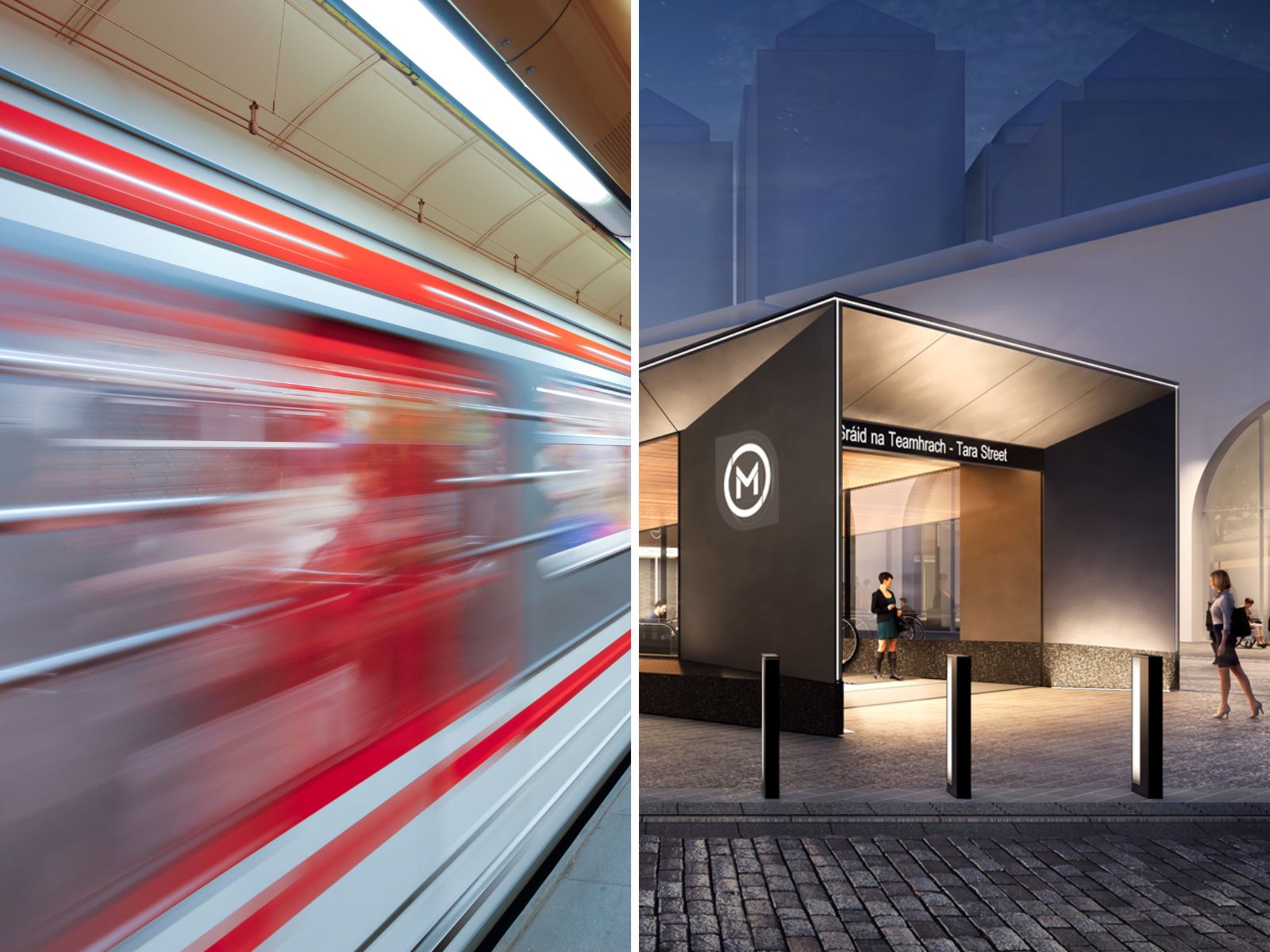
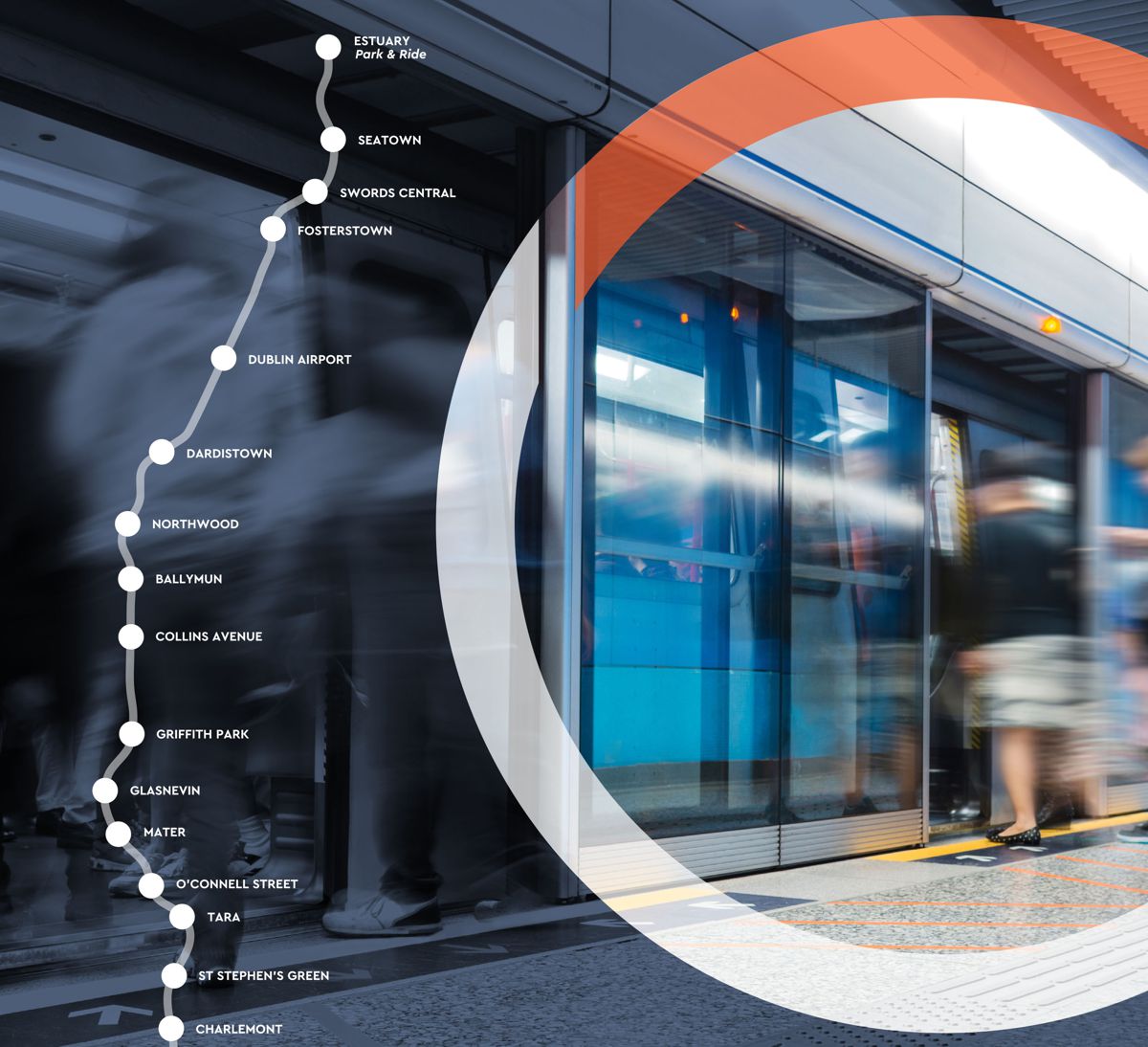
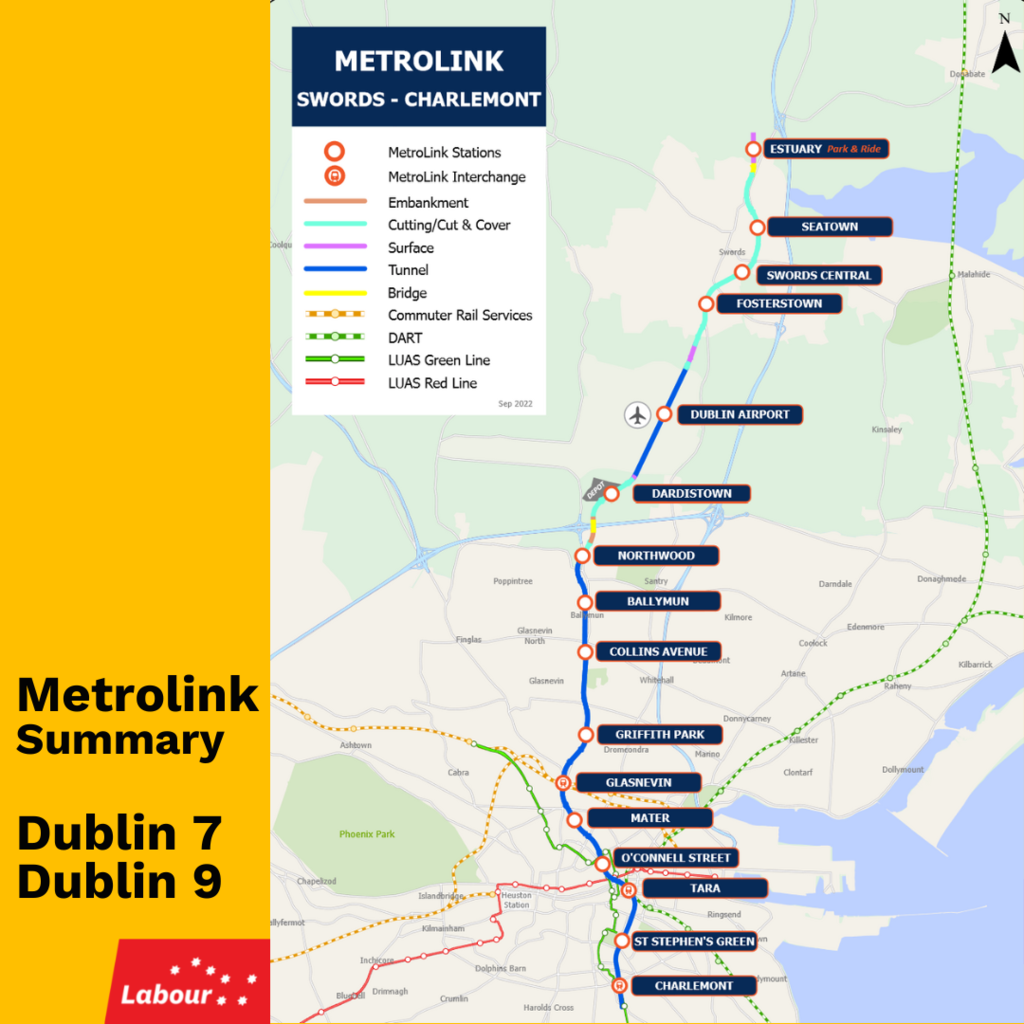
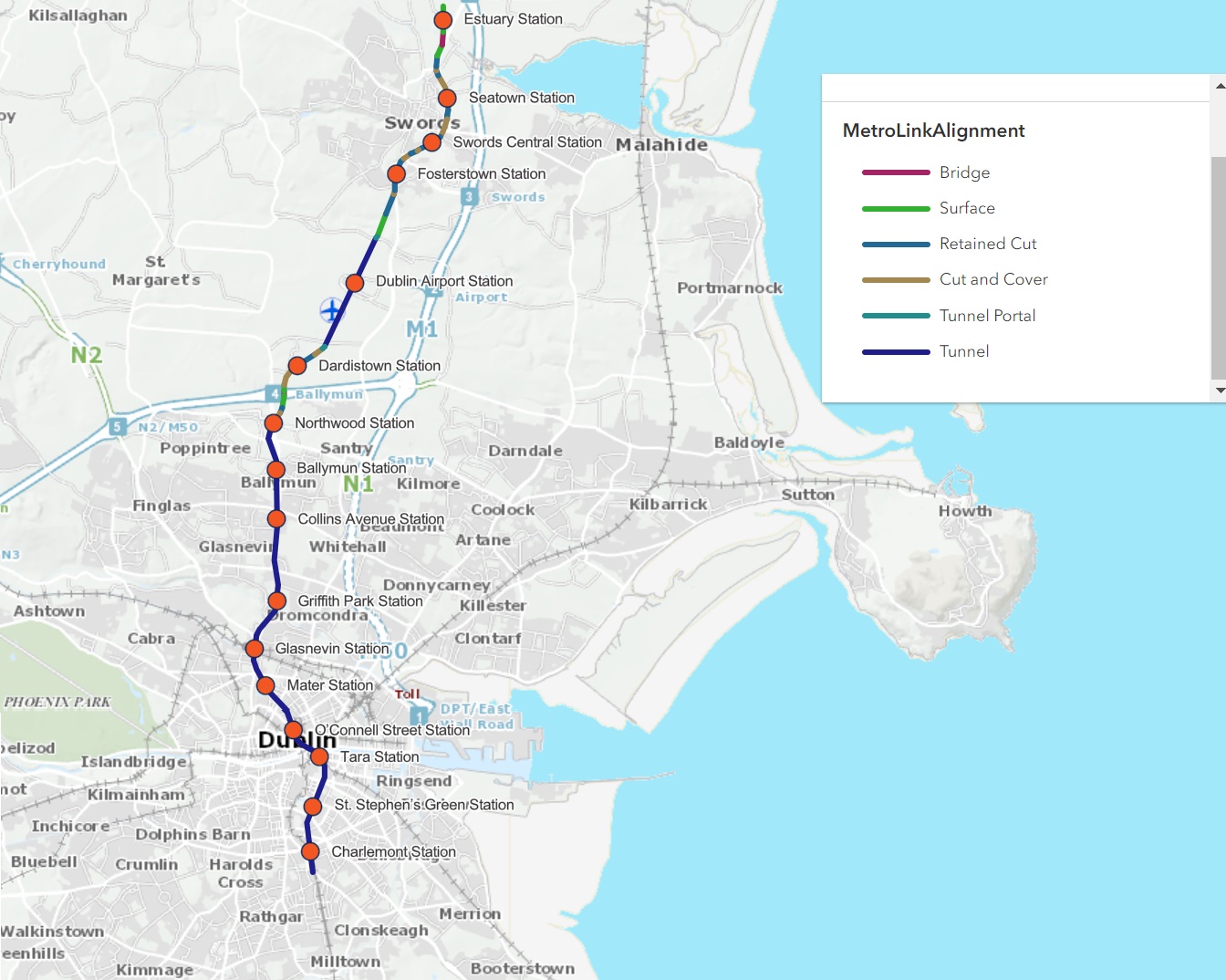
The MetroLink project represents Dublin’s most concrete plan for a metro system to date. This proposed 19-kilometer, fully automated light metro line aims to connect Swords in the north, through Dublin Airport, to the city center and onwards to Charlemont on the southside.
Anticipated benefits of MetroLink include significantly reduced journey times, enhanced connectivity to the airport, and a substantial increase in public transport capacity. It is designed to alleviate chronic traffic congestion and support sustainable urban growth.
However, MetroLink faces its own set of challenges, including securing final funding approvals, managing the extensive construction complexities through densely populated areas, and addressing potential archaeological discoveries along its route.
Why Understand Dublin’s Metro Challenge?
Understanding the intricacies of Dublin’s transport dilemma is crucial for several reasons. It informs public discourse, enabling citizens to engage meaningfully in debates about urban development and infrastructure investment.
This insight aids urban planning professionals and students in comprehending the real-world complexities of developing large-scale public transport in historic and growing cities. It highlights the multifaceted nature of infrastructure projects.
Moreover, it underscores the critical importance of long-term strategic planning, adaptability, and sustained political commitment in addressing the evolving transport needs of a dynamic capital city.
The continuous impact on commuters and city life is palpable, with traffic congestion being a major daily challenge. A metro system is seen by many as a vital step towards improving quality of life, boosting productivity, and enhancing environmental sustainability.
Comparing Dublin’s situation to other European cities of similar size, many have long-established metro systems, offering lessons in planning, funding, and operational efficiency. These comparisons often fuel the local debate and aspirations.
The future outlook for Dublin’s transport network points towards greater integration and a multimodal approach, with MetroLink as a central, transformative element. The long-term vision aims for a city where public transport is the preferred and most efficient mode of travel.
Environmental considerations are paramount, with a metro system promising a significant reduction in carbon emissions by shifting commuters from private cars to electric rail. This aligns with Ireland’s broader climate action goals.
Economically, a metro is expected to boost development along its corridor, support tourism, and make Dublin a more attractive location for businesses and international investment, contributing to national prosperity.
Social equity is another key aspect; improved public transport access can enhance opportunities for all citizens, reducing transport poverty and fostering more inclusive urban communities.
Technological advancements, such as automated systems and smart city integration, are integral to MetroLink’s design, aiming to deliver a state-of-the-art transport experience.
The role of sustainable transport, including cycling and walking infrastructure, will continue to complement any metro development, fostering a holistic approach to urban mobility.
Public opinion and engagement remain critical, with ongoing consultations shaping the final design and implementation of future transport projects, ensuring they meet the needs of Dubliners.
Frequently Asked Questions (FAQ)
Is the why doesn’t dublin have a metro question frequently discussed? Yes, it is a recurring and often passionate topic of discussion among Dublin residents, urban planners, and politicians, reflecting its importance for the city’s future.
What are the primary alternatives to a metro in Dublin? The city primarily relies on an extensive bus network, the DART suburban rail system, and the Luas light rail tram system to serve its public transport needs.
Are there any future plans for a Dublin metro? Absolutely. The MetroLink project is currently in the planning and development phase, proposing a new, fully automated light metro line connecting Swords to the city center and beyond.
In conclusion, the absence of a metro in Dublin is not due to a single factor but a confluence of historical, geographical, financial, and political complexities. While past efforts faced insurmountable hurdles, the ongoing MetroLink project offers a promising vision for a connected and sustainable urban future. The question of why doesn’t dublin have a metro is evolving from one of inquiry to one of anticipation.
Last Updated: March 2026



Leave a Reply